 Carsun


How Much Suction Power Is Good For Car Vacuum Cleaner
2115For Routine Cleaning, 5,000-8,000 Pa Is The Sweet Spot. For Deep Pet Hair Removal, Aim For 12,000 Pa Or More.
View details
Search the whole station
Mastering the method of cleaning the filter screen is critical to maintaining machine performance. I will teach you how to clean the vacuum cleaner filter. First, check the instructions to confirm your filter type: washable (sponge/foam material) or non-washable HEPA filter. For the water-washable filter, remove it and rinse with warm water plus a little mild detergent until the water running out becomes clear. Here’s an important point: Before putting the machine back in, it must be allowed to dry naturally for at least 24 to 48 hours. If you encounter a non-washable or paper filter screen, don’t touch water. Tap directly on the edge of the garbage can to shake off the dust, dirt and debris inside, or use a soft brush to clean up along the folds. Never plug the filter screen that has not been completely dried back into the machine. Once the motor sucks in water, it will burn out immediately.
The above is just a quick question and answer. In order to ensure that everyone can complete this maintenance safely and effectively, we have to break up each step and see how to operate it and why.
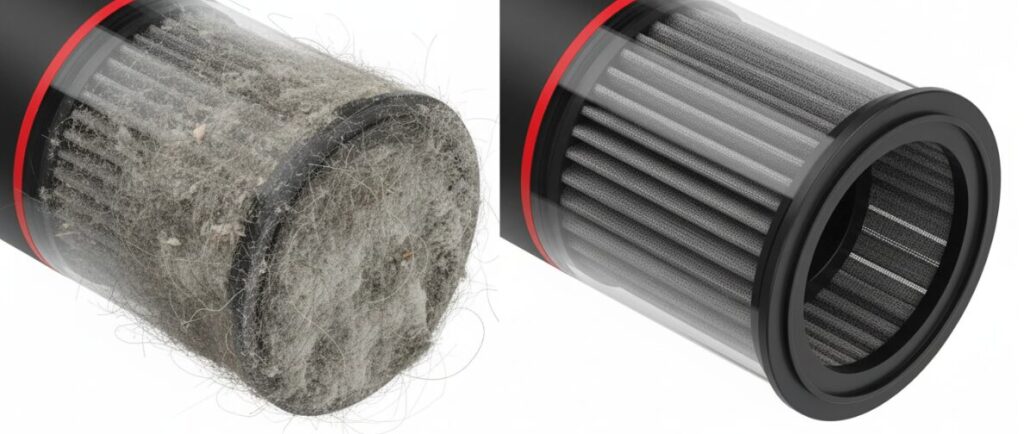
Before you start cleaning, you need to know what the machine is struggling. When the filter is completely pasted by dust, there are usually very intuitive symptoms:
Before disassembling and washing, be sure to open the instructions and have a look. Vacuum cleaner filters are basically divided into two categories. If the processing methods are mixed up, the filters will be scrapped directly.
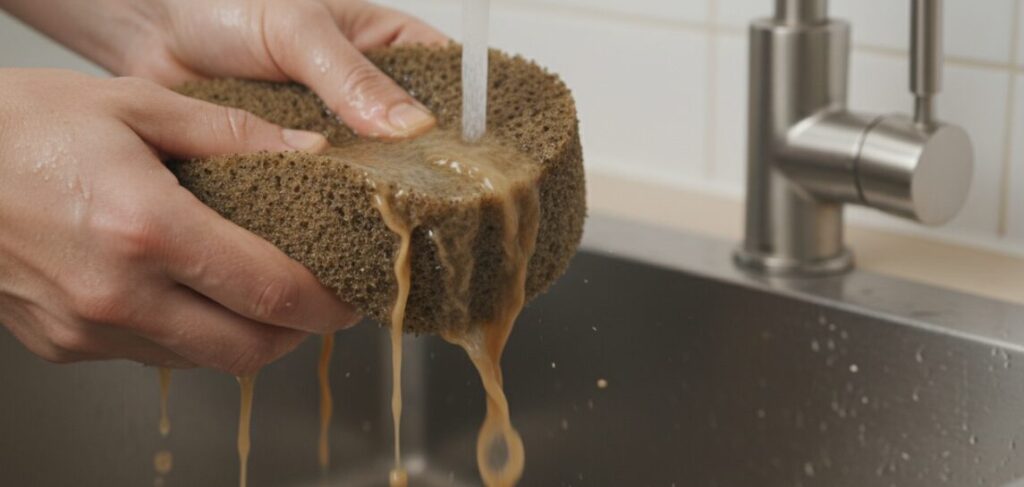
If the instructions confirm that the filter screen can be washed with water, follow my following procedure to force out the stubborn dirt hidden in the depths:
Washing filter must be thoroughly air-dried. Sometimes you touch the surface of the sponge as if it is dry, but the core of this high-density material often still contains water.
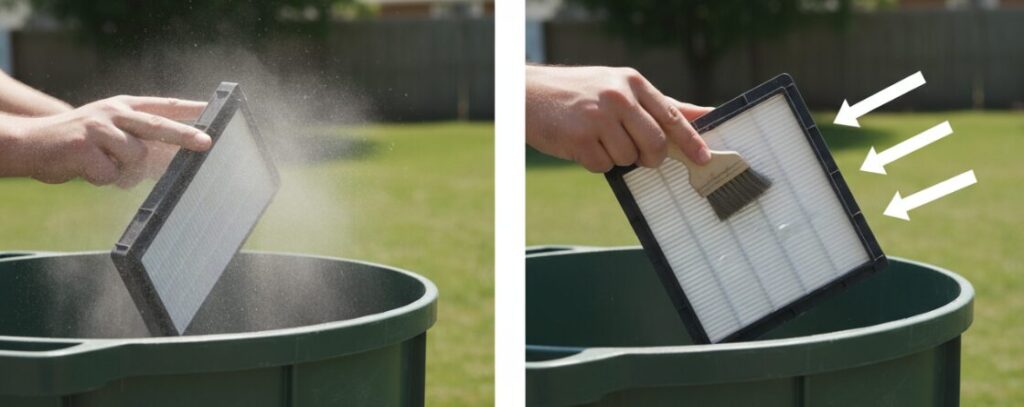
If you use a paper or non-washable strainer, you can’t get dripping water. Moisture causes the paper folds to stick together, directly destroying the microfibers that intercept allergens. Old technicians usually use these two dry cleaning methods:
In teaching people to do the daily maintenance of vacuum cleaners, I have to emphasize the biggest taboo again: never put the filter screen with moisture back into the machine.
Too many owners lose patience and put the filter back on when it’s still a little wet. As soon as the machine is turned on, moisture is sucked directly into the electrical compartment. This will cause the motor to burn out in an instant short circuit, the whole vacuum cleaner will be scrapped directly. Make sure that the filter screen is 100% dry before assembling it back.
Author: Mark Johnson
Hi, After years of working as a professional appliance repair technician, I’ve seen countless vacuum cleaners meet an early grave simply because of poorly maintained filters. I wrote this guide to share my hands-on repair experience and insider tips with you.

For Routine Cleaning, 5,000-8,000 Pa Is The Sweet Spot. For Deep Pet Hair Removal, Aim For 12,000 Pa Or More.
View details
Every car owner has faced this problem: crumbs, dust, and dirt scattered inside the car that just won’t go away with a brush or hand swipe. That’s why many people turn to car vacuum cleaners. But with so many brands on the market, which one is ac...
View details
Fix Car Vacuum Power And Suction Issues In 10 Minutes. Learn Diy Repair Tips For Motors And Filters To Save Money.
View details
Master How To Use A Portable Tire Inflator With Our Professional, Fail-Safe Guide For Roadside Safety And Accuracy.
View details Optimized by Seraphinite Accelerator